



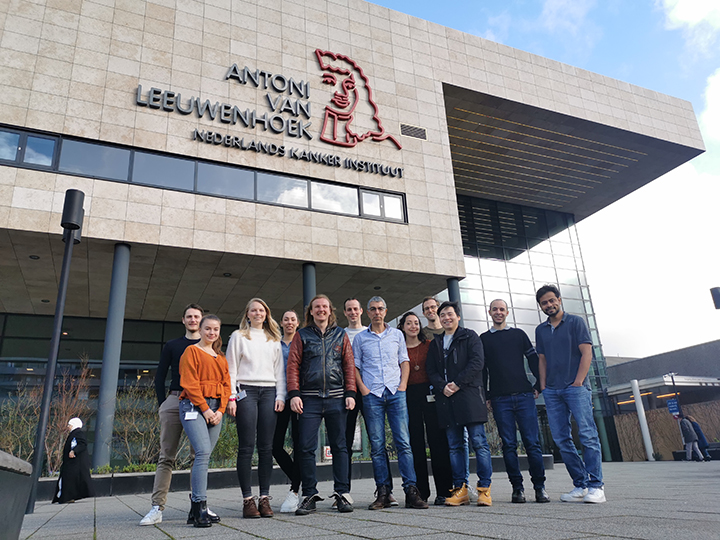
Our main research objective is to understand the cancerous process in humans and identify essential cancerous genes. We believe that the knowledge obtained on these genes will allow us to design in the future novel therapeutic approaches.

Research line 1 Most human tumors harbor multiple genetic alterations that activate oncogenes, inhibit tumor suppressors and induce genomic instability. As each tumor contains many genetic alterations, the study of the contribution of each alteration to the cancerous phenotype was obscured. In the past, we developed and successfully used an RNA interference (RNAi) approach to inactivate genes in mammalian cells. We used this RNAi system to characterize tumor suppressors and novel components of DNA damage signaling components.

Research line 2 In the past three years we initiated studies to identify cancerous microRNAs (miRNAs), a newly emerging gene family encoding for endogenous small RNAs. We developed novel and unique genetic approaches to screen for cancer-causing and cancer-preventing miRNAs. With these tools we discovered and characterized the role of the miR-372 family in tumor growth and metastasis as well as the oncogenic role of miR-221 in glioblastoma.

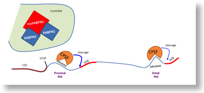
Research line 3 Interestingly, we noticed that the regions surrounding some functional miRNA targets (identified by our genetic screens) are highly conserved throughout evolution. We postulated that these regions recruit RNA binding proteins (RBPs) that regulate miRNA function. We performed genetic screens and identified RBPs that can inhibit or potentiate the accessibility of miRNAs to their target mRNAs. We suggest that the genetic interaction between miRNAs and RBPs determines developmental processes and cellular proliferation. We are working now to establish these interactions and there role in cancer development and progression.


alternatetext


alternatetext